
Nanomaterials could double efficiency of solar cells by converting waste heat into usable energy
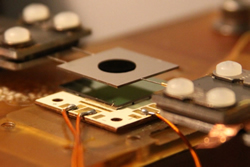 Devin Coldewey for TechCrunch: An experimental solar cell created by MIT researchers could massively increase the amount of power generated by a given area of panels, while simultaneously reducing the amount of waste heat. Even better, it sounds super cool when scientists talk about it: “with our own unoptimized geometry, we in fact could break the Shockley-Queisser limit.”
The Shockley-Queisser limit, which is definitely not made up, is the theoretical maximum efficiency of a solar cell, and it’s somewhere around 32 percent for the most common silicon-based ones.
You can get around this by various tricks like stacking cells, but the better option, according to David Bierman, a doctoral student on the team (and who is quoted above), will be thermophotovoltaics — whereby sunlight is turned into heat and then re-emitted as light better suited for the cell to absorb. Cont'd...
Comments (0)
This post does not have any comments. Be the first to leave a comment below.
Featured Product