
Graphene Battery Market Growth Skyrockets with Next-Gen Energy Storage Advancements
The Graphene Battery Market is transforming global energy storage with ultra-fast charging, high energy density, and sustainable materials. Explore key market trends, growth drivers, and innovations powering EVs and electronics, backed by Ameco Research insights.
More Headlines
- Stellar Solar Commercial Wraps Up a Record Year in 2025
- Tidal Energy Market Set for Rapid Growth as Marine Renewables Gain Momentum
- Is 5-10kW Split-phase Hybrid Inverter the Best Solar + Storage Solution for North American Homes?
- MATRIX RENEWABLES SIGNS FULL EPC AGREEMENT WITH TESLA FOR LANDMARK STANDALONE BATTERY ENERGY STORAGE PROJECT IN THE UK
- Solar Lights Market Growth Driven by Infrastructure and Smart City Projects

In the rapidly evolving energy landscape, innovation in battery technologies has become the cornerstone of progress across electric vehicles (EVs), consumer electronics, and renewable energy integration. Among these emerging technologies, graphene batteries have captured the attention of scientists, automakers, and investors alike for their unparalleled performance characteristics.
The Graphene Battery Market represents a pivotal advancement in energy storage — combining graphene's exceptional conductivity, flexibility, and strength with conventional lithium-ion and other chemistries to overcome the limitations of existing battery systems.
According to the latest Graphene Battery Market Report by Ameco Research, the global market was valued at approximately USD 7.6 Billion in 2021 and is projected to reach USD 42.4 Billion by 2030, registering an impressive CAGR of 21.3% during 2022-2030. These figures underline the technology's exponential potential in driving future innovations in sustainable power solutions.
What Makes Graphene Batteries Revolutionary
Graphene — a single layer of carbon atoms arranged in a two-dimensional honeycomb lattice — is one of the strongest, lightest, and most conductive materials known. When used in batteries, it can dramatically enhance performance metrics like energy density, charge time, and lifespan.
Graphene batteries can charge up to five times faster than conventional lithium-ion batteries and offer significantly higher energy capacity. This performance leap positions them as a key enabler for industries such as electric mobility, aerospace, consumer electronics, and grid energy storage.
Key advantages include:
• Ultra-fast charging times due to high electrical conductivity
• Improved battery longevity with reduced degradation
• Lightweight and flexible design suitable for multiple applications
• Enhanced safety with lower thermal buildup and reduced fire risks
• Sustainability through reduced reliance on rare or toxic materials
These benefits are driving tremendous Graphene Battery Market Growth, particularly as industries seek more efficient and eco-friendly alternatives to traditional lithium-ion systems.
Graphene Battery Market Size and Growth Outlook
The Graphene Battery Market Size is expanding at a remarkable rate, fueled by a combination of technological breakthroughs and growing investments in clean energy innovation. Ameco Research projects that by 2030, the market will cross the USD 42 billion-dollar threshold, making graphene-based storage a key component of the next generation of energy solutions.
The growing demand for high-performance batteries across electric vehicles, portable electronics, and renewable energy storage systems is the primary catalyst for this growth. Graphene's ability to deliver higher power output in smaller form factors is particularly appealing to automakers and tech companies striving for better efficiency and design flexibility.
Key Factors Driving Graphene Battery Market Growth
1. Electric Vehicle Revolution
The global shift toward electric mobility is one of the most significant growth drivers of the Graphene Battery Market. Graphene-enhanced batteries enable ultra-fast charging — a major advantage for EVs — and improve overall driving range. As EV adoption surges, automakers are racing to integrate advanced battery materials to gain a competitive edge.
2. Consumer Electronics Demand
Smartphones, laptops, and wearables continue to push the boundaries of battery performance expectations. Graphene batteries' fast-charging capability and compact size make them ideal for powering next-generation consumer electronics.
3. Renewable Energy Storage
With the rise of solar and wind power, efficient energy storage solutions are critical for grid stability. Graphene-based systems can store and release large amounts of energy quickly, enabling better management of intermittent renewable sources.
4. Sustainability and Environmental Focus
Traditional lithium-ion batteries rely heavily on rare metals like cobalt and nickel, which have environmental and ethical challenges. Graphene batteries use more abundant materials, aligning perfectly with the sustainability goals of both corporations and governments.
Graphene Battery Market Trends
The Graphene Battery Market Trends reflect a strong convergence of sustainability, performance, and scalability — all hallmarks of the modern clean energy economy. Here are some of the most influential developments reshaping the industry landscape:
1. Growing Investment in Graphene Research and Manufacturing
Research institutions and tech startups are accelerating graphene innovation, improving cost efficiency and large-scale production. Governments in regions like Europe and Asia are also supporting graphene-based projects to reduce dependence on traditional battery materials.
2. Integration with Electric Mobility
EV manufacturers are exploring hybrid battery chemistries that integrate graphene with lithium-sulfur and solid-state technologies. These developments could drastically reduce charging times while extending driving range — addressing two of the most significant barriers to EV adoption.
3. Expansion of Industrial and Aerospace Applications
Beyond consumer electronics and vehicles, graphene batteries are making inroads in aerospace, defense, and industrial automation. Their lightweight and heat-resistant properties make them ideal for high-performance applications requiring reliability under extreme conditions.
4. Rise of Flexible and Wearable Power Systems
Graphene's flexibility enables the creation of thin, lightweight batteries that can be integrated into wearable devices, medical implants, and flexible electronics. This is opening new frontiers for energy storage in emerging consumer and healthcare markets.
5. Partnerships Between Tech Giants and Battery Innovators
Major corporations are forming alliances with graphene-focused startups to accelerate commercialization. Strategic partnerships are crucial for scaling up production and ensuring supply chain stability.
Graphene Battery Market Share: Regional Insights
North America
North America holds a significant Graphene Battery Market Share due to strong R&D investments, government funding for advanced materials, and robust adoption in electric vehicles and energy storage projects. The region's focus on clean energy transition and battery innovation positions it as a key global player.
Europe
Europe is emerging as a technological hub for graphene-based energy systems, supported by the European Union's "Graphene Flagship" initiative and regional commitments to net-zero targets. Countries such as Germany, the UK, and Finland are at the forefront of integrating graphene technologies into automotive and grid storage solutions.
Asia-Pacific
Asia-Pacific is expected to dominate the global market with large-scale production capacity, especially in China, Japan, and South Korea. These countries benefit from established supply chains and massive investments in EV battery manufacturing. The growing number of renewable energy installations and consumer electronics manufacturing hubs further supports market expansion.
Rest of the World
Regions like Latin America and the Middle East are beginning to explore graphene-based technologies for sustainable energy and electric mobility projects, signaling the potential for broader adoption in the coming decade.
Challenges and Opportunities in the Graphene Battery Market
While the market outlook is overwhelmingly positive, certain challenges persist:
High Production Costs
The manufacturing process for high-quality graphene remains expensive. However, ongoing research into chemical vapor deposition and other scalable methods is steadily reducing production costs.
Commercialization Barriers
Although prototypes show immense potential, large-scale commercialization of graphene batteries is still in its early stages. Bridging the gap between laboratory success and market-ready products requires further material optimization and industrial partnerships.
Competition from Other Emerging Technologies
Competing battery technologies, such as solid-state and lithium-sulfur batteries, continue to evolve rapidly, making the competitive landscape dynamic and uncertain.
Despite these challenges, opportunities abound — particularly in EV battery innovation, grid-scale energy storage, and lightweight aerospace power systems. As cost barriers fall, the adoption curve is expected to accelerate sharply, positioning graphene as a key enabler of the global clean energy transition.
Toward a Graphene-Powered Energy Revolution
Looking ahead, the Graphene Battery Market Growth is expected to be driven by continued R&D breakthroughs and increasing commercialization across multiple industries. Several key trends will shape its future trajectory:
• Integration with Renewable Energy Grids: Graphene batteries could play a critical role in stabilizing smart grids by offering rapid charge-discharge capabilities.
• Next-Generation EV Platforms: Automakers are likely to adopt graphene-based cells for faster charging, enhanced safety, and greater range.
• Circular Economy Models: Recyclability and reduced environmental impact will become selling points as sustainability becomes a central corporate priority.
• Scalability and Manufacturing Efficiency: As production techniques mature, economies of scale will make graphene batteries more cost-competitive with existing technologies.
In essence, graphene batteries could serve as the bridge between current lithium-ion systems and the next era of sustainable, high-performance energy storage.
Graphene Batteries and the Future of Energy Storage
The Graphene Battery Market stands at the intersection of innovation, sustainability, and performance — representing one of the most promising frontiers in the global energy transition. With their exceptional conductivity, high energy density, and eco-friendly profile, graphene batteries are poised to redefine how we power electric vehicles, homes, and industries.
As the world moves toward decarbonization and clean energy adoption, graphene technology offers a path to faster, safer, and more efficient energy storage. Backed by robust market projections — with growth from USD 7.6 Billion in 2021 to USD 42.4 Billion by 2030 at a CAGR of 21.3% — this innovation is set to become a cornerstone of future mobility and renewable systems.
Request a comprehensive Sample Pages of Graphene Battery Market Report by Ameco Research for a deeper understanding of how this transformative technology is shaping the global energy landscape.
Featured Product
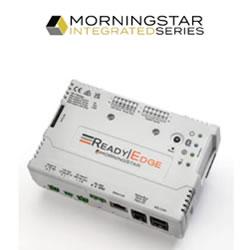
MORNINGSTAR - ReadyEdge
The ReadyEdgeTM (RE-1) accessory is an intelligent system controlling and reporting device meant to make monitoring your solar energy system more transparent. Enabling access to LiveViewTM 2.0 and Morningstar Solar ConnectTM, ReadyEdge provides data from all compatible Morningstar devices in your system. It is designed to be paired with the three ReadyBlock options, up to six total, with the possibility to use multiple ReadyShunts and ReadyRelays. The ReadyEdge is compatible with select Morningstar products.