
AI in Renewable Energy Market Driven by Smart Grids and Energy Storage Growth
The artificial intelligence (AI) in renewable energy industry was valued at $0.6 billion in 2022 and is projected to reach $4.6 billion by 2032, growing at a CAGR of 23.2%. AI-driven smart grids, energy storage optimization, and predictive maintenance are key growth drivers.
According to a new report published by Allied Market Research, the artificial intelligence in renewable energy market size was valued at $0.6 billion in 2022 and is projected to reach $4.6 billion by 2032, growing at a robust CAGR of 23.2% from 2023 to 2032. This rapid expansion reflects the increasing adoption of AI-driven solutions to optimize renewable energy generation, distribution, and storage across the globe.
More Headlines
- Siemens to Highlight Modernization Solutions at AHR Expo 2026
- Heliox, A Siemens Business, Highlights VersiCharge Blue™ 80A for Fleet and Commercial EV Charging
- Revolutionizing EV Battery Safety: Raythink Releases Groundbreaking White Paper on Full-Lifecycle Thermal Risk Management
- Solar Insure Launches SI-Commercial Warranty and Expands Approved Vendor List for Commercial Solar Energy Systems
- Vanadium Redox Flow Battery Market Set for Rapid Growth, Reaching USD 3.06 Billion by 2035

Artificial intelligence is transforming the renewable energy landscape by enabling smarter, more efficient, and more reliable energy systems. As countries accelerate their transition toward low-carbon power generation, AI technologies are becoming a critical enabler in maximizing output from solar, wind, and other renewable sources while ensuring grid stability.
Asia-Pacific Emerges as a High-Growth Region
Asia-Pacific emerged as the highest revenue contributor and fastest-growing region in 2022. Rapid renewable energy deployment, government support for clean energy initiatives, and increasing investments in smart grid infrastructure are driving market expansion in countries such as China, India, and Japan.
According to the International Renewable Energy Agency, the U.S. installed over 111 GW of solar PV capacity in 2022, up from 93.91 GW in 2021, highlighting the growing demand for distributed energy resource management systems globally. These trends further strengthen growth prospects for AI-enabled renewable energy solutions.
AI Transforming Solar and Wind Energy Operations
The artificial intelligence in renewable energy market is witnessing strong growth due to the extensive use of AI algorithms in solar and wind power applications. In photovoltaic systems, AI-powered tools analyze weather data, track the sun's position, predict cloud movement, and automatically adjust panel orientation. These capabilities significantly improve energy output and reduce operational inefficiencies.
Similarly, in wind energy, AI systems are used to forecast wind patterns, optimize turbine positioning, and identify potential mechanical faults before failures occur. Predictive maintenance powered by AI reduces downtime, enhances equipment lifespan, and improves the overall reliability of wind farms. These advancements are making renewable energy assets more cost-effective and attractive to investors.
Energy Storage and Grid Optimization Drive Market Opportunities
One of the key opportunities in the artificial intelligence in renewable energy market lies in the intelligent management of energy storage systems. AI enables efficient charging and discharging of batteries by analyzing energy generation patterns, grid demand, and price signals. Excess renewable energy generated during peak production periods can be stored and released when demand is high or when renewable output is low.
Efficient grid management is essential for integrating intermittent renewable energy sources into existing electricity infrastructure. AI-based grid solutions predict energy demand, optimize power flow from multiple sources, and ensure stable grid operations. As renewable penetration increases, AI-driven energy storage and grid optimization solutions are becoming indispensable.
Enhancing Energy Efficiency Across Industries and Buildings
Artificial intelligence also plays a significant role in improving energy efficiency in commercial buildings, industrial facilities, and residential applications. AI-enabled appliances, smart lighting systems, and intelligent thermostats learn user behavior and adjust energy consumption accordingly. These technologies help reduce energy waste while maintaining comfort and productivity.
In industrial settings, AI-powered predictive maintenance systems minimize unexpected equipment failures and energy losses. Demand-side management solutions encourage consumers to shift energy usage to off-peak hours, reducing stress on power grids and supporting better renewable energy integration.
Environmental Impact and Sustainable Energy Management
While renewable energy infrastructure can have environmental impacts if poorly managed, AI offers solutions to mitigate these challenges. AI-driven models can optimize the placement and operation of renewable assets to reduce ecosystem disruption and carbon emissions. For example, AI tools can predict wildlife migration patterns and help adjust wind turbine operations to minimize ecological harm.
As sustainability becomes a global priority, the artificial intelligence in renewable energy market is increasingly aligned with environmental protection goals, supporting cleaner and more responsible energy development.
Market Segmentation Overview
The artificial intelligence in renewable energy market is segmented based on deployment type, component type, end-use industry, and region.
By deployment type, the market is divided into on-premises and cloud-based solutions. On-premises deployment is gaining traction due to enhanced data security and real-time processing capabilities.
Based on component type, the market is segmented into solutions and services. The service segment is growing rapidly as organizations seek AI consulting, integration, and maintenance support.
By end-use industry, the market is classified into energy generation, energy transmission, energy distribution, and utilities. Among these, energy distribution is expected to witness strong growth as utilities adopt AI for smart grid management and load balancing.
Smart Grids and Technological Advancements Fuel Growth
AI-powered advancements in renewable energy efficiency are a major growth driver for the artificial intelligence in renewable energy market. AI algorithms analyze sensor data to predict maintenance needs, improve forecasting accuracy, and reduce electricity wastage. These capabilities enable grid operators to manage supply and demand more effectively.
AI is also critical in maintaining smart grids by balancing renewable and conventional power sources in real time. For instance, Siemens Energy's Unified Power Flow Controller Plus demonstrates how AI-driven technologies stabilize alternating-current grids by dynamically managing load flow. Such innovations are expected to accelerate market growth.
Competitive Landscape
Key players operating in the artificial intelligence in renewable energy market include Alpiq, AppOrchid Inc., ATOS SE, Enel Green Power, Enphase Energy, Flex Ltd., General Electric, Origami Energy Ltd., Siemens AG, and Vestas. These companies are focusing on innovation, strategic partnerships, and advanced AI platforms to strengthen their market presence.
Market Outlook
The artificial intelligence in renewable energy market is poised for substantial growth over the next decade. Rising renewable energy adoption, advancements in AI technology, and increasing focus on grid reliability and energy efficiency are shaping the future of the market. As governments and utilities prioritize sustainable energy systems, AI will remain a cornerstone of the global renewable energy transition.
Featured Product
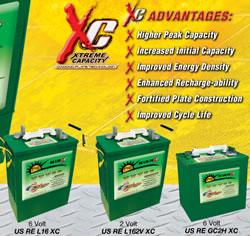
U.S. BATTERY RENEWABLE ENERGY SERIES DEEP CYCLE BATTERIES
Our RE Series batteries are designed to provide the highest peak capacity, longest cycle life, and greatest reliability for use in industrial or residential renewable energy applications. Renewable Energy Series batteries utilize the company's exclusive XC2™ formulation and Diamond Plate Technology® to create the industry's most efficient battery plates, delivering greater watt-hours per liter and watt-hours per kilogram than any other flooded lead-acid battery in the market. Our Deep Cycle batteries are engineered to work with solar panels as well as other renewable energy applications.