
Fuel Cell Electric Vehicle Market Poised to Hit USD 45.42 Billion by 2033 as Hydrogen Mobility Gains Global Momentum
The Fuel Cell Electric Vehicle Market (FCEV Market) is set to reach USD 45.42 billion by 2033, growing at a 36.7% CAGR, driven by hydrogen innovation, infrastructure expansion, and global zero-emission goals transforming clean mobility worldwide.
The Rise of Hydrogen Mobility
More Headlines
- esVolta Bolsters Clean Energy in California with Computacenter via Black Walnut Energy Storage Project Partnership
- 7.4 MWp Retrofit Project Successfully Completed
- Electric Vehicle Market to Reach USD 3.65 Trillion by 2033 as Global Electrification Accelerates
- Natural Power appoints Head of Independent Engineering in North America
- Hybrid Inverter vs Grid-tie Inverter: Core Selection Guide for Residential PV Systems

As nations intensify their pursuit of net-zero transportation, the Fuel Cell Electric Vehicle Market (FCEV Market) is emerging as a cornerstone of sustainable mobility. Combining hydrogen fuel cells with electric drivetrains, FCEVs deliver long-range performance, quick refueling, and zero tailpipe emissions—bridging a critical gap between internal combustion and battery-electric technologies.
According to Acumen Research and Consulting, the Fuel Cell Electric Vehicle Market size stood at USD 2.79 billion in 2024 and is projected to soar to USD 45.42 billion by 2033, growing at an impressive CAGR of 36.7% (2025-2033). This exponential trajectory underscores the accelerating global transition toward hydrogen-powered transportation systems supported by governments, automakers, and energy suppliers.
Hydrogen's Expanding Role in Clean Transport
Unlike conventional battery-electric vehicles (BEVs), FCEVs generate electricity on-board through a reaction between hydrogen and oxygen, producing only water vapor as exhaust. This process enables greater driving range, faster refueling, and enhanced efficiency, particularly in heavy-duty and long-distance applications where BEVs face technical and logistical limitations.
The Fuel Cell Electric Vehicle Market Growth is being propelled by falling hydrogen production costs, large-scale refueling infrastructure expansion, and supportive regulatory frameworks. According to Acumen's Fuel Cell Electric Vehicle Market Report, the next decade will witness FCEVs transition from niche pilot projects to mainstream commercial fleets.
Key Growth Drivers:
• Government Incentives & Zero-Emission Mandates in Japan, South Korea, Germany, and the U.S.
• Hydrogen Refueling Expansion, with over 1,000 global stations operational by 2024—65% located in Asia.
• Technological Innovation, including fuel cell stacks with reduced platinum use and extended lifespans.
• Fleet Electrification, as logistics and public transport operators adopt FCEVs for sustainability goals.
FCEV Market Dynamics: Policies, Infrastructure, and Innovation
1. Policy Frameworks Powering Adoption
Governments are integrating hydrogen into national decarbonization strategies. Japan's Basic Hydrogen Strategy and the European Hydrogen Backbone project are paving the way for scalable fuel-cell mobility ecosystems.
2. Infrastructure Expansion
Hydrogen refueling station development remains a top priority. Asia-Pacific leads global deployment, followed by Europe and North America, where public-private alliances are rapidly bridging infrastructure gaps.
3. Automotive Innovation
OEMs including Toyota, Hyundai, Honda, and BMW are investing in advanced fuel cell systems with lower material costs and improved durability. The next generation of hydrogen vehicles aims to achieve cost parity with BEVs by the early 2030s.
4. Decarbonizing Heavy Transport
The commercial and heavy-duty segments—trucks, buses, and delivery fleets—represent the fastest-growing share of the FCEV Market, driven by the fuel's high energy density and reduced downtime for refueling.
Challenges in the Fuel Cell Electric Vehicle Market
Despite robust growth, the industry faces structural challenges:
• High Hydrogen Production Costs: Green hydrogen still represents about 60% of total fuel expenses.
• Infrastructure Gaps: Limited refueling stations outside Asia hinder mass adoption.
• Capital Intensity: Fuel cell systems remain costlier than lithium-ion battery packs.
• Consumer Awareness: Broader education on hydrogen safety and benefits remains essential.
Addressing these barriers through innovation and policy coordination will be vital for scaling the Fuel Cell Electric Vehicle Market over the next decade.
Fuel Cell Electric Vehicle Market Segmentation Overview
By Component
• Fuel Stack
• Battery System
• Power Conditioner
• Motor & Drive System
Among these, fuel stacks dominate the Fuel Cell Electric Vehicle Market Share, serving as the technological core for energy generation and conversion.
By Vehicle Type
• Passenger Vehicles
• Commercial Vehicles (Trucks, Buses, Vans)
While passenger vehicles currently lead global sales, the commercial vehicle segment is projected to grow fastest due to fleet decarbonization mandates in logistics and transit operations.
By Region
• North America
• Europe
• Asia-Pacific
• Latin America
• Middle East & Africa
Regional Insights: Global Hydrogen Adoption
Asia-Pacific: The Hydrogen Mobility Leader
Asia-Pacific accounted for over 45% of the global Fuel Cell Electric Vehicle Market Share in 2024, driven by pioneering adoption in Japan, South Korea, and China.
• Japan targets 800,000 FCEVs and 900 hydrogen stations by 2030.
• South Korea's roadmap envisions 6.2 million FCEVs by 2040.
• China is scaling hydrogen buses and trucks across 50+ pilot cities.
Europe: Policy-Driven Expansion
The Fuel Cell Electric Vehicle Market Growth across Europe is supported by the EU's Green Deal and Fit-for-55 initiatives, with Germany, France, and the Netherlands leading in hydrogen freight corridors.
North America: Accelerating Infrastructure
The U.S. and Canada are prioritizing hydrogen hubs through the Inflation Reduction Act and Hydrogen Shot program, targeting $1/kg hydrogen production by 2031. California remains the nation's FCEV frontrunner.
Competitive Landscape
The Fuel Cell Electric Vehicle Market Report highlights major players shaping the competitive landscape, including:
Toyota Motor Corporation, Hyundai Motor Company, Honda Motor Co. Ltd., BMW AG, Daimler AG, General Motors, Nikola Corporation, Ballard Power Systems, Cummins Inc., and Plug Power Inc.
These companies are expanding fuel cell manufacturing capacity and forming strategic alliances with hydrogen producers and refueling infrastructure developers.
For example, Toyota and Chevron's partnership is strengthening North America's hydrogen refueling network, while Hyundai is scaling fuel-cell production in Asia.
Emerging Fuel Cell Electric Vehicle Market Trends
1. Commercialization in Heavy Transport: Long-haul hydrogen trucks gaining traction for payload efficiency.
2. Green Hydrogen Integration: Transition from gray to green hydrogen improving lifecycle sustainability.
3. Advanced Materials: R&D driving improvements in fuel cell durability and performance.
4. Corporate Fleet Electrification: Businesses adopting FCEVs to meet ESG and emission goals.
5. Infrastructure Collaboration: Energy companies forming alliances to expand global hydrogen networks.
These Fuel Cell Electric Vehicle Market Trends collectively signal a new phase of industrial scaling and technological maturity.
FCEV Market Outlook: 2025-2033
The coming decade represents a transformative period for hydrogen mobility. Acumen Research and Consulting forecasts that by 2033:
• The global Fuel Cell Electric Vehicle Market Size will reach USD 45.42 billion.
• Commercial fleets will lead market expansion, supported by renewable hydrogen adoption.
• Asia-Pacific will maintain its leadership, with North America and Europe closing the infrastructure gap.
• Hydrogen fuel costs will fall, improving competitiveness with BEVs.
• Integrated hydrogen ecosystems—spanning generation, storage, and distribution—will unlock new value chains.
By 2033, the FCEV Market will mature into a vital component of the global clean mobility revolution, complementing battery-electric systems rather than competing with them.
Powering the Hydrogen Future
The Fuel Cell Electric Vehicle Market is rapidly evolving from concept to commercial reality. With a projected rise from USD 2.79 billion in 2024 to USD 45.42 billion by 2033, FCEVs represent the next wave of sustainable transport solutions.
As hydrogen infrastructure expands and costs decline, FCEVs will become integral to achieving global carbon neutrality—driving innovation, creating green jobs, and enabling a truly sustainable mobility future.
For comprehensive insights into Fuel Cell Electric Vehicle Market Analysis, regional opportunities, and emerging technologies, request free Sample Pages of Fuel Cell Electric Vehicle Market Report by Acumen Research and Consulting.
Featured Product
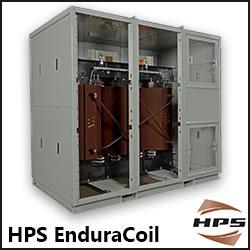
HPS EnduraCoilTM Cast Resin Medium Voltage Transformer
HPS EnduraCoil is a high-performance cast resin transformer designed for many demanding and diverse applications while minimizing both installation and maintenance costs. Coils are formed with mineral-filled epoxy, reinforced with fiberglass and cast to provide complete void-free resin impregnation throughout the entire insulation system. HPS EnduraCoil complies with the new NRCan 2019 and DOE 2016 efficiency regulations and is approved by both UL and CSA standards. It is also seismic qualified per IBC 2012/ASCE 7-10/CBC 2013. Cast resin transformers are self-extinguishing in the unlikely event of fire, environmentally friendly and offer greater resistance to short circuits. HPS also offers wide range of accessories for transformer protection and monitoring requirements.